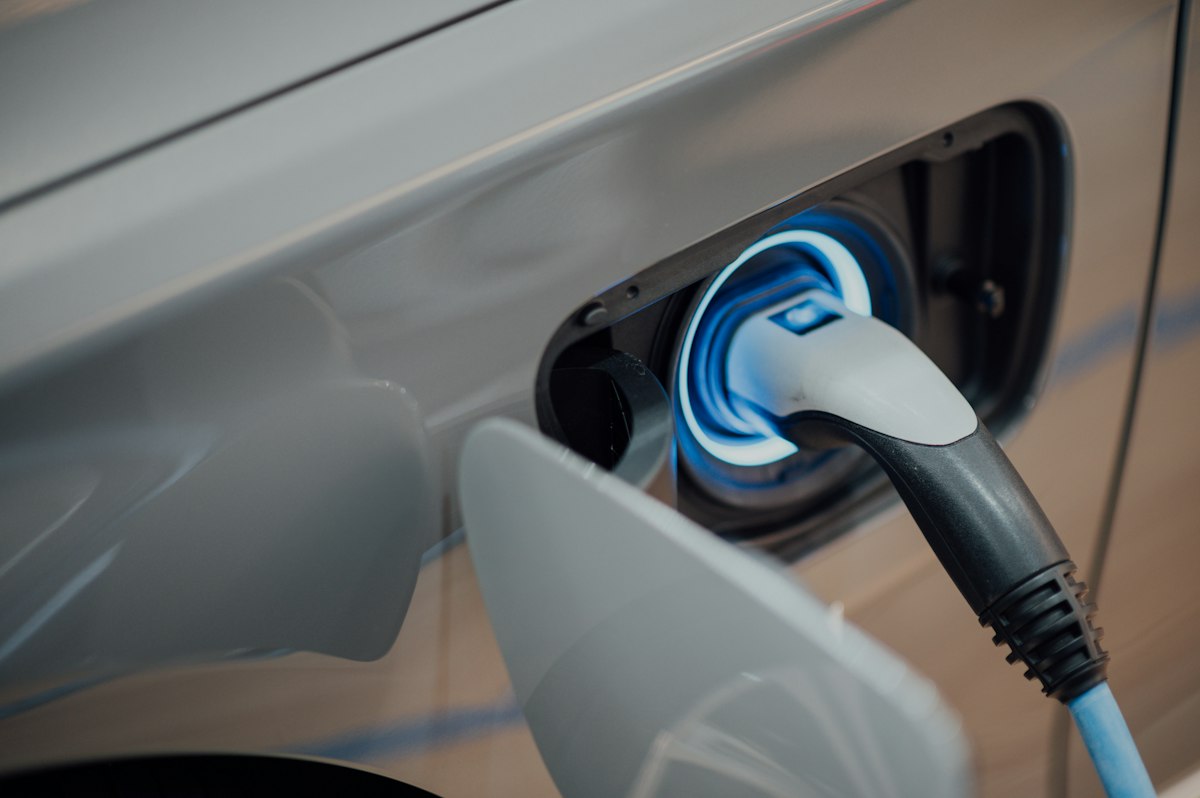
The most common question car shoppers ask in 2026 is also the most genuinely complex: Is an electric vehicle actually cheaper to own than a gas car? The honest answer is: it depends — and the variables matter a lot. We'll break down every cost category so you can run the calculation for your situation.
Purchase Price & Federal Tax Credits
The average new EV in 2026 lists for around $48,000 before incentives, while the average new gas car sits at $36,000. That $12,000 gap is real — but the federal Clean Vehicle Tax Credit (up to $7,500 for new EVs, $4,000 for used) significantly narrows it for eligible buyers. Income caps apply, so verify your eligibility at IRS.gov before counting on the credit.
Fuel Costs: The Biggest EV Advantage
The average American drives 15,000 miles per year. A gas car averaging 28 MPG burns through about 535 gallons annually. At $3.50/gallon, that's $1,875/year in fuel. The equivalent EV uses roughly 4,500 kWh at a national average of $0.16/kWh — $720/year at home charging. That's a $1,155/year savings, or roughly $5,775 over five years.
Pro Tip
If you charge exclusively during off-peak hours (typically 9 PM–6 AM), many utilities offer rates as low as $0.07/kWh, cutting your charging bill nearly in half.
Maintenance: EVs Win, But Not by as Much as You Think
- No oil changes ($80–$150 per visit, typically 2× per year for gas vehicles)
- No transmission fluid, spark plugs, or timing belt replacements
- Brake pads last longer on EVs due to regenerative braking
- But: EV tires wear faster due to weight and instant torque — budget $600–$900 more per set
- Battery replacement (rare but expensive): $8,000–$20,000 if needed outside warranty
Insurance: Gas Cars Still Win Here
EVs cost 15–25% more to insure on average in 2026. The reasons: higher repair costs, expensive battery modules that inflate collision claims, and a shortage of qualified EV technicians. On a $48,000 EV, expect to pay $1,800–$2,200/year for full coverage vs. $1,400–$1,700 for a comparable gas vehicle.
5-Year Total Cost of Ownership Comparison
- 1.EV purchase price after $7,500 credit: ~$40,500 | Gas car: ~$36,000
- 2.5-year fuel/charging cost: EV ~$3,600 | Gas ~$9,375
- 3.5-year maintenance: EV ~$1,200 | Gas ~$4,500
- 4.5-year insurance: EV ~$9,500 | Gas ~$7,750
- 5.5-year total: EV ~$54,800 | Gas ~$57,625 — EV wins by ~$2,800
Heads Up
These numbers assume home charging availability. If you rely solely on public DC fast-charging, EV fuel costs can triple — potentially flipping the math in favor of a gas car.
Who Should Buy an EV in 2026?
EVs make the most financial sense if you: drive 12,000+ miles per year, have reliable home charging, qualify for the tax credit, and plan to keep the car 5+ years. If you're a short-distance driver renting an apartment, or need frequent long-distance travel capability, a gas or hybrid is likely the smarter financial choice today.